Introduction
Have you ever signed an important document and suddenly felt the weight of what it could mean years later? That’s exactly how estate planning feels for many families. A single signature can shape how assets are handled, how wishes are honored, and how smoothly loved ones move forward.
This is where a Will and Trust Notary quietly steps in, not as the center of the process but as the safeguard that ensures everything is done correctly, legally and with clarity.
Most people only think about notarization at the last minute. But in estate planning, that final step can make all the difference between a smooth transition and a complicated legal challenge.
Key Takeaways
- A Will and Trust Notary helps verify and protect estate planning documents
- Proper notarization reduces fraud risk and legal disputes
- Requirements may vary depending on state laws and document type
- Correct execution ensures family clarity during sensitive times
Why a Will and Trust Notary Matters
A Will and Trust Notary is responsible for verifying identity, witnessing signatures, and ensuring that documents are signed willingly and knowingly. This process is not about changing the content, it’s about confirming authenticity.
When people search for notarization for wills and trusts, they’re usually trying to avoid future confusion or legal disputes. Proper notarization adds an extra layer of protection that families often don’t realize they need until later.
Understanding the Role in Estate Planning
Estate planning is emotional and deeply personal. A will might represent a parent’s final wishes, while a trust may protect a child’s future.
A Will and Trust Notary helps bring structure to that emotional moment by ensuring everything is executed properly and witnessed under legal standards.
This is especially important in notary public for estate documents, where even small errors can create long-term complications.
How the Process Works
The trust document notarization process is fairly straightforward, but each step matters:
Step-by-Step Overview
- Verify valid identification
- Review the document for completeness
- Confirm willingness to sign
- Witness the signature
- Apply official seal or stamp
This process ensures that a Will and Trust Notary can legally validate the signing without influencing the document itself.
Common Documents Involved
Estate planning often includes multiple documents that require notarization:
- Last will and testament
- Living trust agreements
- Affidavits
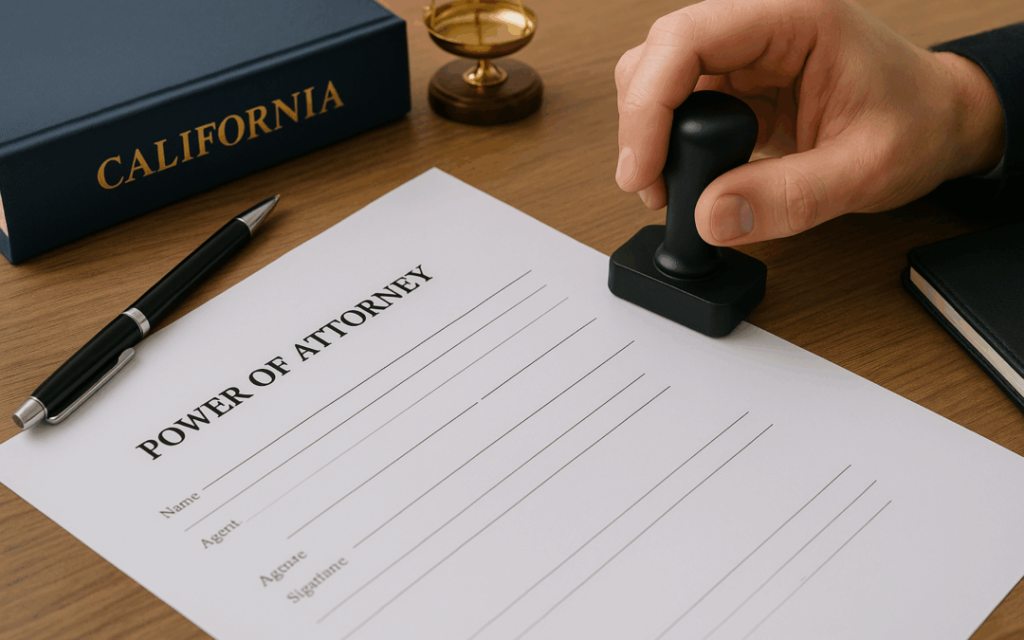
- Power of attorney forms
- Property transfer documents
A Will and Trust Notary may be involved in all of these depending on the situation and legal requirements.
Comparison of Key Notarization Scenarios
Practice | When it helps | Simple cue | Mistake |
Will notarization | Confirms signing validity | Witnessed signature | Missing witnesses |
Trust notarization | Protects asset transfer | Identity verified | Incomplete trust forms |
Affidavit notarization | Legal declarations | Sworn statement | Unsigned oath |
Each situation requires careful handling by a qualified Will and Trust Notary.
A Simple Framework: SAFE Method
A helpful way to understand notarization is the SAFE method:
- S – Signer Identity
- A – Awareness of document
- F – Free and voluntary signing
- E – Execution with proper witnessing
This framework helps reduce mistakes in estate-related documentation and improves trust in the process.
Real-Life Example
Imagine a family preparing a will for a parent who wants to divide assets fairly. Everything is discussed and agreed upon, but the document is signed without proper notarization.
Later, disagreements arise. Questions about authenticity delay everything.
Now compare that to a properly handled situation where a Will and Trust Notary verifies identity, witnesses the signing, and seals the document. The difference is clarity versus conflict.
Role of Professional Services
This is where Cachet Mobile Notary Services helps streamline the process by offering professional support at the client’s location.
For families dealing with sensitive estate matters, convenience and accuracy matter just as much as legal compliance.
In many cases, a Will and Trust Notary becomes part of a larger estate planning workflow, especially when timing and privacy are important.
Common Mistakes to Avoid
- Signing before meeting the notary
- Missing required witnesses
- Using expired identification
- Submitting incomplete documents
- Assuming notarization replaces legal advice
Avoiding these issues ensures smoother execution of will signing notary requirements.
When You Should Use a Notary
You may need a Will and Trust Notary when:
- Creating or updating a will
- Setting up a trust
- Handling property transfers
- Preparing affidavits
- Managing estate documents
Early involvement prevents delays later in the process.
Why It Matters for Families
A properly executed Will and Trust Notary process ensures that legal documents reflect true intent and reduces the risk of disputes. It is not just about compliance. It is about protecting relationships and avoiding unnecessary stress during already emotional times.
Conclusion
Estate planning is not just about documents. It is about peace of mind. A Will and Trust Notary ensures that every signature carries legal clarity and genuine intent.
When handled properly, notarization becomes the quiet layer of protection that families rely on when it matters most.
Summary
A Will and Trust Notary plays a crucial role in verifying and securing estate documents. From wills to trusts, proper notarization helps prevent disputes, confirms identity, and ensures legal validity. When done correctly, it provides families with confidence and long-term clarity.
FAQs
1. What does a Will and Trust Notary do?
It verifies identity, witnesses signatures, and ensures estate documents are properly executed.
2. Is notarization required for all wills?
Not always, but it significantly strengthens legal protection and reduces disputes.
3. What is the trust document notarization process?
It involves identity verification, document review, witnessing signatures, and applying a notary seal.
4. Why use mobile notary services?
They provide convenience, especially for estate planning situations requiring privacy and flexibility.
5. How does Cachet Mobile Notary Services help?
It offers professional notarization support for wills, trusts, and estate documents at your preferred location.