Introduction
Have you ever been asked to sign an important document in front of someone official and wondered why that extra step matters? That person is often a Notary Public, and their presence carries more legal significance than most people realize. From real estate transactions to personal affidavits, this role quietly protects individuals and institutions from fraud and uncertainty.
In a world where identity theft and document fraud are increasingly common, the work of a Notary Public has become more important than ever. Yet many people still don’t fully understand what actually happens behind that official stamp or signature.
Key Takeaways
- A Notary Public verifies identity and witnesses signatures on important documents
- Their role helps prevent fraud and ensures document authenticity
- They do not provide legal advice but ensure proper signing procedures
- Their work is essential in real estate, financial, and legal transactions
- Mobile and professional services make notarization more convenient than ever
Understanding the Role in Simple Terms
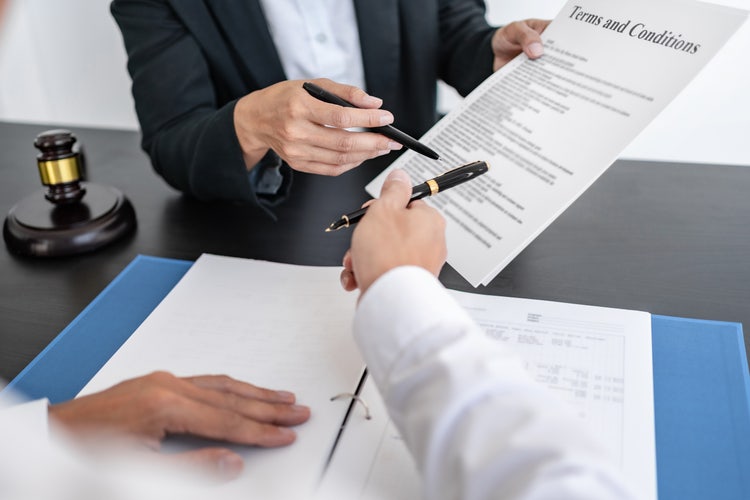
A Notary Public is an officially authorized individual who acts as an impartial witness during the signing of important documents. Their main purpose is to confirm that the person signing is who they claim to be and that they are signing willingly.
Simple Definition:
A Notary Public is a government-authorized official who verifies identity, witnesses signatures, and helps prevent fraud in legal documents.
This role is a key part of the document notarization process, ensuring trust in everything from business contracts to property transfers.
Why This Role Matters More Than You Think
The responsibilities of a Notary Public go beyond stamping paperwork. They play a critical role in maintaining legal integrity in everyday transactions.
In fact, the work is built on three core principles:
- Identity verification for legal documents
- Ensuring voluntary signing without pressure
- Recording and certifying the signing event
These steps build confidence between parties who may never meet again but still need to trust the agreement.
How the Process Works Step-by-Step
The Notary Public follows a structured procedure to ensure every document is handled correctly:
- The signer presents valid identification
- Identity is verified through official documents
- The document is checked for completeness (not legal advice)
- The signer confirms understanding and willingness
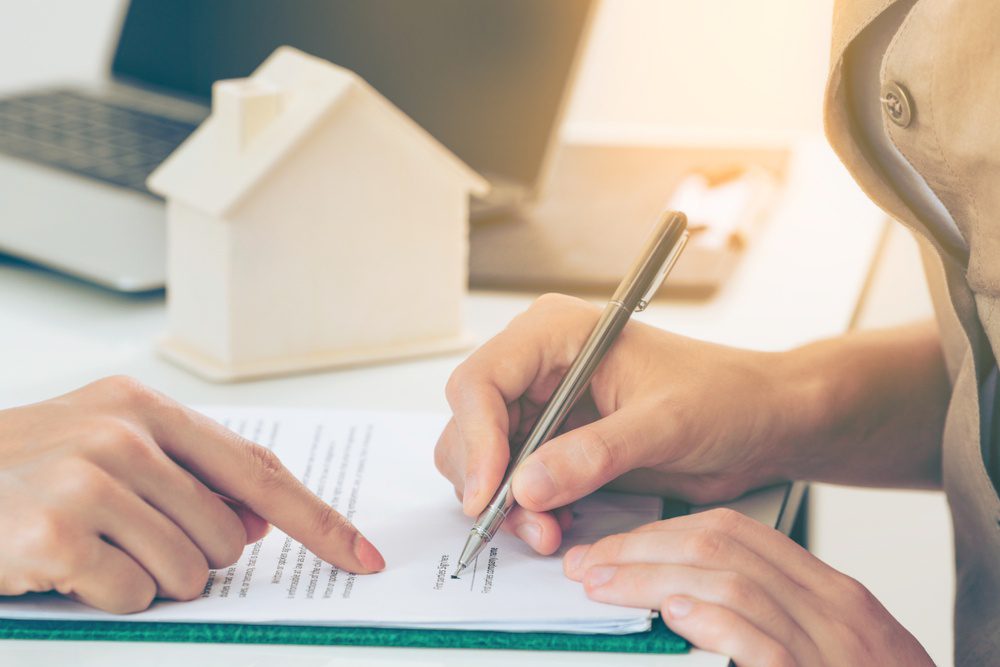
- The signature is witnessed in real time
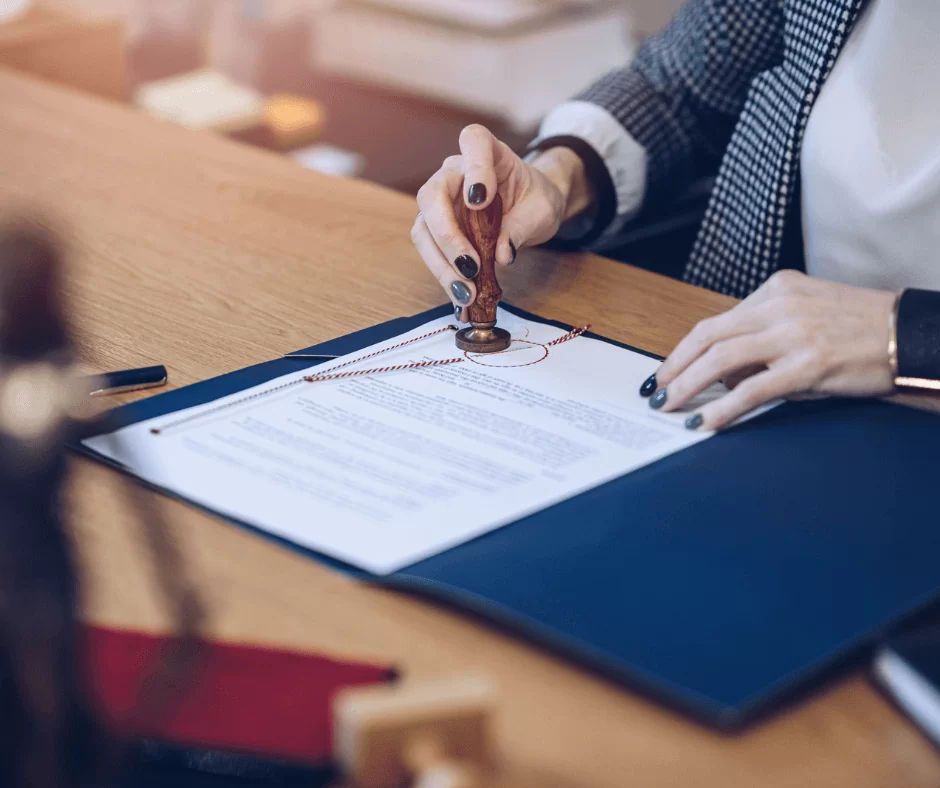
- The official seal and certification are applied
This careful process ensures a reliable witness signature procedure that holds legal value in courts and institutions.
Where This Service Is Commonly Needed
The work of a Notary Public appears in many everyday situations, even if people don’t always notice it. Some common examples include:
- Real estate transactions
- Loan and mortgage paperwork
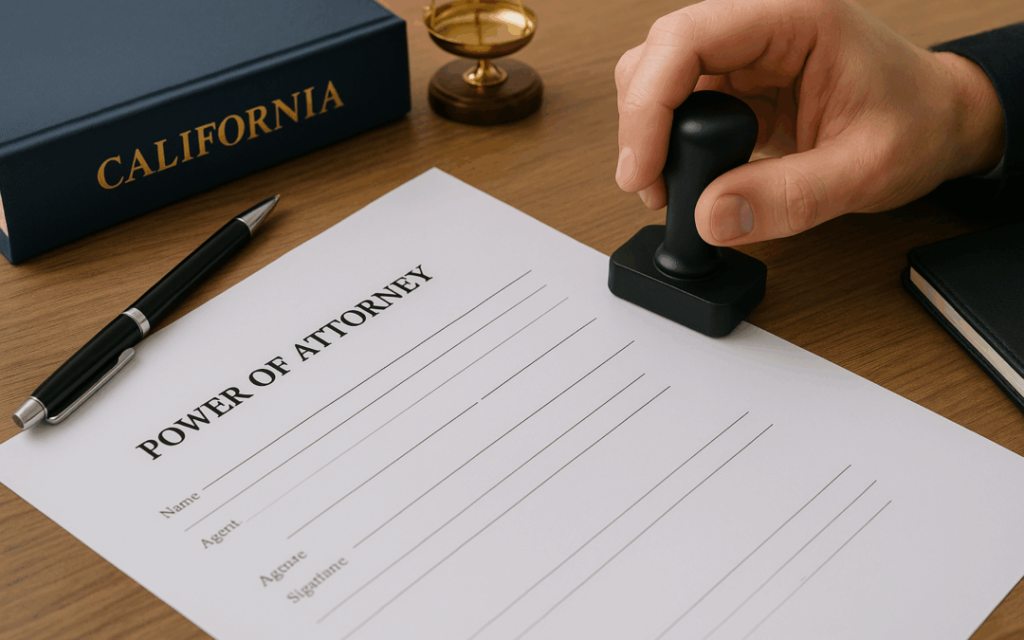
- Power of attorney documents
- Business agreements
- Immigration and travel consent forms
In many of these cases, legal document authentication is required before the paperwork is accepted by institutions.
For example, professional providers like Certified Notary Public Services in Beverly Hills are often used in high-value transactions where accuracy and trust are essential.
Comparing Notary Responsibilities
Practice | When It Helps | Simple Cue | Common Mistake |
Identity verification | Prevents impersonation | Check ID carefully | Using expired ID |
Witnessing signatures | Confirms voluntary signing | All parties present | Missing signer presence |
Certification seal | Adds legal validity | Apply seal correctly | Incomplete paperwork |
Document review (basic) | Ensures readiness | Check blanks filled | Giving legal advice |
This breakdown shows how a Notary Public focuses on process accuracy rather than interpreting legal meaning.
Common Misconceptions
Many people assume a Notary Public can provide legal advice. In reality, they must remain neutral and cannot explain or modify documents.
Another misconception is that notarization makes a document legally “stronger.” Instead, it confirms the signing process, not the content itself.
As Benjamin Franklin once said:
“An ounce of prevention is worth a pound of cure.”
This reflects the purpose perfectly. Careful verification helps prevent disputes later.
Real-World Scenario
Imagine Sarah is selling her home. The buyer and seller have never met before. During closing, a Notary Public verifies identities, ensures both parties understand the documents, and witnesses the final signatures.
Without this step, either party could later question whether the agreement was valid. With proper notarization, the transaction gains trust and legal clarity.
Why Accuracy Matters
Even small mistakes, like missing signatures or incorrect identification, can delay or invalidate important documents. That is why precision is essential in every step of the process.
Professional services like Cachet Mobile Notary Services help ensure everything is completed correctly the first time, offering convenience and reliability for clients handling sensitive documents.
The Human Side of the Role
Although the process is structured, it often involves meaningful life moments such as signing wills, financial agreements, or property transfers. A Notary Public must remain calm, neutral, and attentive while ensuring every step is followed correctly.
This balance of professionalism and care makes the role both technical and human.
Conclusion
The role of a Notary Public is often overlooked, but it plays a powerful part in protecting trust in legal and financial systems. By verifying identity, witnessing signatures, and ensuring proper procedure, this official helps prevent fraud and strengthen document reliability.
Whether in business, real estate, or personal matters, their presence ensures that important agreements are signed with clarity and confidence.
Summary
A Notary Public ensures that important documents are signed correctly, willingly, and by verified individuals. Their work helps prevent fraud and supports legal authenticity across financial, real estate, and personal transactions. By maintaining strict procedures, they protect both individuals and institutions from future disputes.
FAQs
1. What does a Notary Public actually do?
A Notary Public verifies identity, witnesses signatures, and certifies documents to prevent fraud and ensure authenticity.
2. Does Cachet Mobile Notary Services offer mobile appointments?
Yes, Cachet Mobile Notary Services provides convenient mobile support, allowing clients to complete notarization at their preferred location.
3. Is a Notary Public the same as a lawyer?
No, a Notary Public does not provide legal advice. Their role is strictly to verify and witness the signing process.
4. Why is notarization important?
It ensures identity verification and confirms that documents are signed willingly and correctly.
5. When should I use a Notary Public?
You should use a Notary Public whenever legal or financial documents require official witnessing, such as property transfers, affidavits, or contracts.