Introduction
In real estate, few documents carry as much quiet importance as the ones that officially transfer ownership. Imagine finally getting the keys to a new home, only to discover later that something about the ownership record was unclear. That’s exactly the kind of uncertainty a Grant Deed is designed to prevent.
Understanding What Is a Grant Deed is essential for anyone involved in buying or selling property because it sits at the center of a legally recognized ownership transfer. Whether you’re a first-time homebuyer or navigating multiple transactions, this document plays a key role in ensuring everything is properly recorded and legally sound.
Key Takeaways
- A Grant Deed is a legal document used to transfer property ownership
- It provides basic assurances about the title at the time of transfer
- It is commonly used in residential real estate transactions
- Understanding it helps prevent ownership disputes and fraud
- It is different from other property deeds like warranty or quitclaim deeds
Understanding the Basics of Property Transfer
Before diving deeper into What Is a Grant Deed, it helps to understand how property changes hands. In real estate, ownership is not transferred by handshake or verbal agreement. It requires legal documentation known as a property transfer deed.
Among different types of property deeds, the Grant Deed is one of the most commonly used because it strikes a balance between simplicity and legal protection.
Simple Definition
A Grant Deed is a legal document used to transfer ownership of real estate from one person to another, while providing limited guarantees that the property has not been sold or encumbered during the seller’s ownership.
This makes it a trusted part of many real estate ownership transfer processes.
What Is a Grant Deed in Real Estate?
To answer What Is a Grant Deed, think of it as a formal promise written on paper. The seller (known as the grantor) confirms that they own the property and have the right to transfer it to the buyer (known as the grantee).
A Grant Deed typically includes two key assurances:
- The seller has not sold the property to anyone else
- The property has not been burdened with undisclosed issues during their ownership
Unlike a full warranty of title, it does not guarantee protection against issues that existed before the seller owned the property.
This makes the Grant Deed real estate tool reliable but not overly complex.
How a Grant Deed Works in Real Transactions
When people ask What Is a Grant Deed, they often want to understand how it actually functions in a real transaction. The process is more straightforward than it sounds.
Step-by-Step Process
- The seller prepares the Grant Deed
- Both parties verify property details
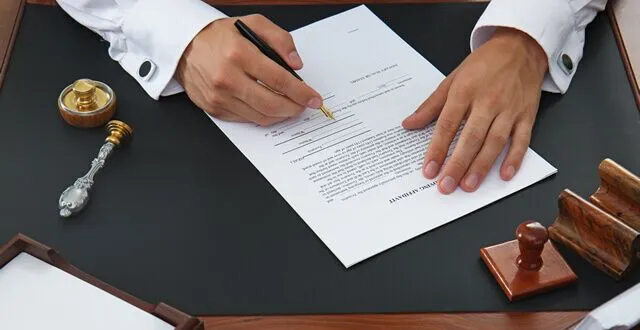
- The seller signs the document
- A notary public confirms identity and signature
- The deed is recorded with local authorities
This is where services like Grant Deed Notary Services in Beverly Hills, CA often come into play, ensuring the document is properly executed and legally valid.
Grant Deed vs Other Property Deeds
Not all deeds are the same, and confusion here is common when learning What Is a Grant Deed.
Practice | When it helps | Simple cue | Mistake |
Grant Deed | Standard property transfers | “Basic ownership assurance” | Assuming full protection |
Warranty Deed | High legal protection | “Full title guarantee” | Ignoring prior issues |
Quitclaim Deed | Transfers interest only | “No guarantees given” | Expecting ownership proof |
A deed of conveyance like a Grant Deed sits in the middle, more secure than a quitclaim but less protective than a warranty deed.
Why a Grant Deed Matters in Real Estate
The importance of a Grant Deed goes beyond paperwork. It builds trust between buyer and seller by clarifying ownership rights.
In most real estate closing processes, this document acts as proof that ownership has been properly transferred and recorded. Without it, disputes over legal property ownership could become much more complicated.
A Grant Deed real estate transaction helps ensure:
- Clear ownership transfer
- Reduced risk of hidden claims
- Proper documentation for public record
Common Misconceptions About Grant Deeds
Many people misunderstand What Is a Grant Deed, especially when comparing it to other legal documents.
One common misconception is that a Grant Deed guarantees a completely clean title. In reality, it only covers the seller’s period of ownership, not historical issues.
Another misunderstanding is that all deeds offer the same protection. In fact, types of property deeds vary significantly in terms of legal strength and risk coverage.
Framework: How to Evaluate a Grant Deed
When reviewing a Grant Deed, use this simple decision framework:
- Ownership clarity – Does the seller legally own the property?
- Title assurance – Are there any disclosed claims or issues?
- Transfer validity – Is the deed properly signed and notarized?
- Recording status – Has it been officially recorded?
This framework helps simplify What Is a Grant Deed into practical checks rather than legal confusion.
Real-World Example
Consider a homeowner selling a residential property. They prepare a Grant Deed stating that they own the home and have not sold it to anyone else. After signing, the document is notarized and recorded.
Later, the buyer becomes the legal owner without needing to investigate the seller’s entire ownership history beyond what is covered during their period of ownership.
This is a typical property transfer deed process that happens every day in real estate markets.
Quote on Trust in Transactions
“Trust, but verify.” Ronald Reagan
This idea applies perfectly to real estate. A Grant Deed helps establish trust, but verification through documentation and recording ensures everything is legally secure.
Role of Notary Services in Grant Deeds
A Grant Deed is not valid until it is properly notarized. This is where professional support becomes important.
For example, Cachet Mobile Notary Services assists in ensuring that documents like a Grant Deed are signed correctly, verified, and legally compliant during the real estate closing process.
Notarization helps reduce fraud risks and confirms the identity of the parties involved in the transaction.
Common Mistakes to Avoid
When dealing with a Grant Deed, people often make avoidable errors:
- Not verifying ownership details before signing
- Confusing it with a full warranty of title
- Skipping proper notarization
- Failing to record the document after signing
- Assuming it covers all past property issues
Avoiding these mistakes ensures a smoother real estate ownership transfer experience.
Conclusion
Understanding what a grant deed is essential for anyone involved in real estate transactions. It is more than just a document. It is a legal bridge that ensures ownership moves from one person to another with clarity and accountability.
A properly executed Grant Deed protects both parties, supports transparent property transfers, and reduces future disputes. While it does not provide complete protection like other deeds, it remains a widely trusted tool in residential and commercial real estate.
Summary
A Grant Deed is a key legal document used in property transfers that confirms ownership and provides limited assurances about the title. It plays an important role in real estate transactions by ensuring clarity, reducing risk, and supporting legal ownership records. Understanding how it works helps buyers and sellers navigate property deals with greater confidence and security.
FAQs
1. What is a Grant Deed used for in real estate?
A Grant Deed is used to legally transfer property ownership from a seller to a buyer while providing basic assurances about the title.
2. Is a Grant Deed the same as a warranty deed?
No, a Grant Deed offers limited guarantees, while a warranty deed provides full legal protection against title defects.
3. Do I need a notary for a Grant Deed?
Yes, notarization is required to validate the document during the real estate closing process.
4. How does Cachet Mobile Notary Services help with Grant Deeds?
Cachet Mobile Notary Services assists in notarizing and verifying documents like a Grant Deed, ensuring proper execution during property transfers.
5. What is the main purpose of a Grant Deed?
The main purpose of a Grant Deed is to confirm ownership transfer and provide assurance that the property has not been sold or encumbered during the seller’s ownership.